Services

Care for every stage of your dog or cat's life

From puppy and kitten visits to senior care, surgery and dental work, all under one roof on Jackson Road. Visits are by appointment: call, text or email the front desk.

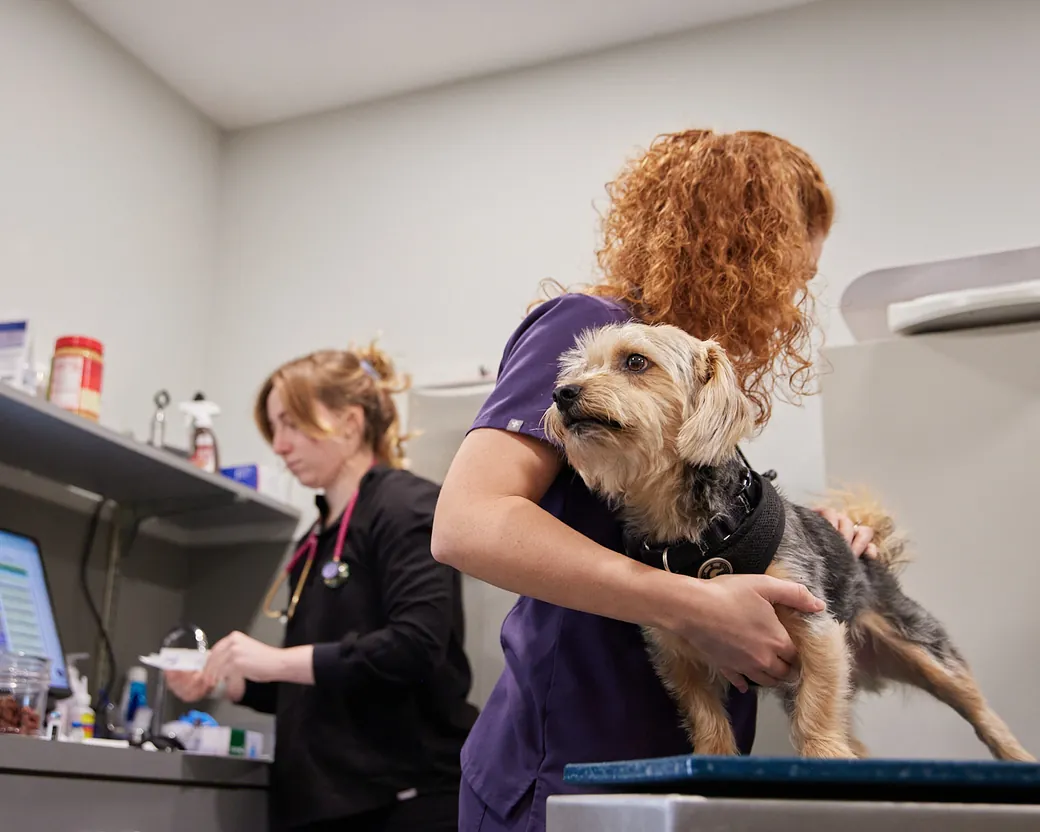
Team members with a small dog in an exam room

Wellness & vaccines

Keeping your pet healthy with regular wellness exams

Wellness exams. Annual or twice-yearly nose-to-tail exams: to evaluate teeth, eyes, ears, heart, lungs, skin, lymph nodes and abdomen, with personalized recommendations for bloodwork and an annual fecal check.

Vaccines & prevention. Core and lifestyle-based vaccines. Personalized so your pet is protected for what it needs, plus year-round heartworm, flea and tick prevention with local tick-borne disease risk in mind.

An ounce of prevention is worth a pound of cure, so the old saying goes. At Medford Animal Hospital and Wellness Clinic, the medical staff recommends annual or biannual wellness examinations for the same reason that your physician recommends them: if a health issue can be detected in its early stages, there is a greater likelihood that it can be resolved and treated with less expense and greater success.

That is why the staff at Medford Animal Hospital takes pride in providing you and your pet with an individualized health-care program. Whether it's comprehensive dental care, nutrition evaluations or providing information on pet insurance, you can be sure your pet will have many healthy years ahead.

Preventive medicine is the best medicine

During your pet's wellness examination, your veterinarian performs a complete physical to assess your pet's overall health, and provides you with an opportunity to discuss any questions or concerns you may have. The hospital's commitment to you and your pet's health begins with an annual examination, which includes:

  • Examining your pet's teeth, throat and oral cavity
  • Checking your pet's vision and eyes
  • Examining ears for infection, ear mites, allergic reaction and other related health issues
  • Assessing your pet's heart and cardiac function
  • Examining the skin
  • Palpating lymph nodes and abdomen
  • Examining the respiratory system
  • Recommending appropriate lab work to evaluate internal organ function and complete blood count
  • Assessing changes in your pet's health since the last wellness visit
  • Recommending fecal screenings to check for the presence of intestinal parasites

Vaccinations

During the first few months of life, a series of vaccinations for your puppy or kitten are necessary. Vaccination every three to four weeks is considered the safest way to ensure protection for your young pet.

Vaccinations are also important for keeping adult pets healthy and free from disease. However, not every pet requires the same series or frequency of vaccines. At Medford Animal Hospital and Wellness Clinic, the medical team will determine a veterinary vaccination protocol based on your pet's lifestyle, susceptibility to disease and geographic location. The goal is to maintain optimal health and protection while not over-vaccinating your pet. The veterinarians administer the following vaccinations:

  • Core puppy: Distemper (DA2PP), Rabies, and Leptospirosis
  • Non-core puppies: Bordetella, Canine flu, Lyme disease
  • Core adult dog: DA2PP, Rabies, and Leptospirosis
  • Non-core adult dog: Bordetella, Canine flu, Lyme disease
  • Core kitten: FVRCP, Rabies, FELV (recommended for all cats under 2 years old)
  • Core adult cat: FVRCP, Purevax Rabies
  • Non-core adult cat: Feline Leukemia

Bringing your pet to Medford Animal Hospital and Wellness Clinic for regular wellness visits and vaccinations is an important part of your pet's overall health care program. If you would like to schedule an appointment to have your pet vaccinated, please give us a call at (609) 654-6855.

Parasite prevention and control

Parasites can be real pests. Both external (fleas, ticks) and internal (heartworm, hookworm and roundworm) parasites can cause problems for both your pet and your family. Prevention is the best approach to eliminating these pests. Please ask a staff member for the best way to prevent parasite problems in your pet.

Heartworm disease. Spread by mosquitoes, heartworm disease has a serious impact on your pet's health. Fortunately, preventive medications exist to prevent heartworm disease in your beloved companion. Our doctors and the American Heartworm Society recommend administering preventive medication all year long. We have multiple options available tailored to you and your pet's needs: monthly preventatives or an injection that protects all year long.

When should I test my dog for heartworm? Symptoms of heartworm are not always immediately apparent. Some dogs may not show signs of the disease while others may exhibit clinical signs, such as a mild, persistent cough, reluctance to move or exercise (lethargy), fatigue after only moderate exercise, reduced appetite and/or weight loss. Cats may exhibit clinical signs that are non-specific, such as vomiting, gagging, difficulty or rapid breathing, lethargy and weight loss. If your pet is experiencing these symptoms, please call us at (609) 654-6855 to schedule an appointment. The timing and frequency of heartworm tests depend on several factors:

  • The pet's age when heartworm prevention was started
  • If preventive heartworm medication was ever forgotten
  • If the pet was switched from one type of heartworm prevention to another
  • If the pet was not on preventive medication and traveled to an endemic area
  • The length of the heartworm season in the region where the pet lives

Flea and tick prevention in the Medford area. Fleas and ticks are more than a nuisance: they pose a serious health risk to you and your pet because of the dangerous diseases they may carry. Prevalent tick-borne diseases in Medford and the surrounding areas include Lyme disease, Ehrlichiosis and Anaplasmosis. Surprisingly, ticks typically become active when temperatures exceed 40°F (4°C). They do have seasonal activity — adult blacklegged ticks are especially active in spring and fall, often questing for hosts during these periods. But ticks remain active in winter as long as temperatures stay above freezing. Ticks do not hibernate. Ticks live in the grass and weeds that your dog may run through during regular daily activities. Check and brush your dog after being outside, especially in grassy or brushy areas. If a tick is attached to your dog's skin, remove it carefully with tweezers, or our favorite tick twisters, and wash the affected bite area and your hands afterward.

Fleas are most abundant during the warm weather, but they can be a problem year-round. In fact, we always see an uptick in flea infestation in late fall early winter as protection wanes, or furry friends find their way inside. Flea infestation is one of the most common medical problems veterinarians see. Your pet can be allergic to fleas, and even just one bite can result in a severely painful skin infection. Fleas can also transmit serious diseases such as bartonellosis (the bacteria that causes "cat scratch disease" in people) and parasites like tapeworms.

The best course of action to protect both your pet and yourself from fleas, ticks and the potential of tick-borne disease is prevention. There are many safe and effective flea and tick control products available at Medford Animal Hospital and Wellness Clinic, and the veterinary team will help you choose the correct preventive regimen based on your pet's risk factors and health status.

Your puppy or kitten's first wellness exam

Bringing home your new kitten or puppy is a time to celebrate, snuggle and play. They also require special attention in order for them to grow and develop into healthy cats and dogs. That is why Medford Animal Hospital and Wellness Clinic recommends scheduling a comprehensive physical examination by a veterinarian soon after you welcome your pet into your home. The initial visit provides an opportunity for you, your pet and one of the hospital's doctors to meet and get acquainted. This is a special time for you and your pet, and we want your memories to be cherished and worry-free.

Care for your senior pet

Older pets make wonderful companions, and thanks to advances in veterinary medicine, pets are living longer than ever. Your senior pet has medical needs that are very different from puppies and kittens, though. The veterinarians and medical team work with you to develop a health care plan that ensures your pet is safe and happy throughout his or her "golden years."

Pets age faster than people and are considered to be "seniors" around age 7. Prevention is the key to keeping older pets healthy. Symptoms of disease or a chronic condition may not be readily apparent. In some cases, conditions that may appear to be the usual signs of "old age" could actually be signs of a more serious problem, such as arthritis, periodontal disease, kidney failure or cancer. We recommend all senior pets undergo at least one physical examination each year, though more frequent examinations are encouraged. During an examination, we can also perform a number of tests that can detect the signs of heart disease, infection, diabetes and other health problems.

You are an important ally in keeping your senior pet healthy. If your pet is experiencing any changes in behavior, we urge you to bring him or her in for a check-up. Together, we can ensure you and your faithful companion enjoy many more years together.
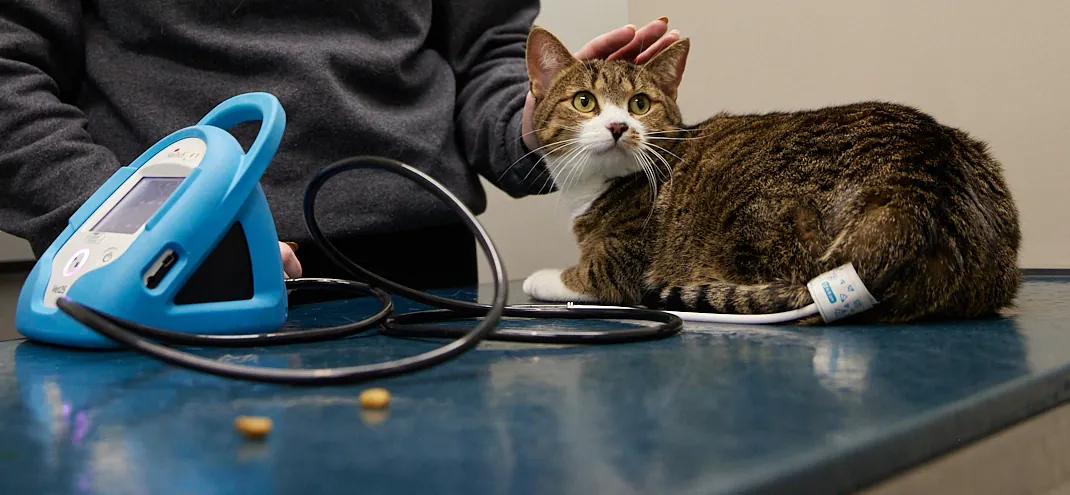
A tabby cat on the exam table with a blood pressure cuff on its tail, next to the monitor

Pet health

Pet health maintenance

General practice medicine

Despite the very best preventive care, your pet may still become sick. When this happens, it is stressful for both you and your pet, especially because you can't ask your companion what's wrong. You need a skilled veterinarian whom you can trust to accurately diagnose and effectively treat your pet.

While the focus at Medford Animal Hospital and Wellness Clinic is your pet's wellness, an important part of the services we offer is the diagnosis and non-surgical treatment of diseases that can affect your pet's internal organs and body systems. Experienced veterinarians, supported by advanced diagnostic technology, are able to quickly identify and effectively treat a range of complex diseases.

Ocular care

Signs that your pet's eyes should be evaluated:

  • Redness in the eye
  • Tearing or discharge
  • Eye sensitivity to light
  • Pain
  • Cloudy-looking eye
  • Bulging eyeball

Our veterinarians recommend that your pet receive a thorough ocular exam as part of his or her regular wellness care. If any concerning signs are found or your pet's history puts them at risk for certain diseases, we may test the vitals of the eye.

Intraocular pressure evaluation with a tonopen. An effective screening measure for chronic and acute glaucoma, it can also help set a baseline measurement of your pet's normal intraocular pressure (IOP). This is a noninvasive, simple procedure that should not cause your pet pain or discomfort. We apply a mild anesthetic eye-drop to ensure your pet is comfortable during the exam.

Schirmer tear test is a simple diagnostic to measure tear production and screen for dry eye.

Fluorescein eye stain test is used to inspect the corneal and tear film for injury.

Allergies and skin problems in dogs and cats

Allergies are quite common in dogs of all breeds and backgrounds, typically due to fleas, certain foods, and environmental irritants. Most allergies appear after the pet is 6 months of age. The most common symptom associated with allergies is itching of the skin, either localized or generalized. Other symptoms include respiratory distress (coughing, sneezing and wheezing), or digestive problems causing vomiting, flatulence or diarrhea.

Flea allergy is the most common allergy in cats. A normal cat experiences only minor skin irritation at the site of the bite. The flea-allergic cat on the other hand has a severe, itch-producing reaction when the flea's saliva is deposited in the skin. Just one bite causes such intense itching that the cat may severely scratch or chew itself, leading to hair loss and open sores or scabs on the skin. The area most commonly involved is over the rump or base of the tail. It is important to be able to identify the first signs and symptoms of allergies and dermatological conditions:

  • Scratching, licking, chewing or biting of skin, feet and ears
  • Red, raised, scaly areas on the skin
  • Bumps, crusts or pus-filled vesicles on the skin
  • Increased skin pigmentation
  • Thickened skin
  • Loss of hair
  • Salivary staining (brown color)
  • Head shaking

If your pet exhibits any of these symptoms, please make an appointment. We will evaluate your pet, determine the most effective method of treatment and explain how you can prevent future problems. The hospital can also provide pets with food-allergy diet trials and has both oral and topical medication to help with the management and treatment of chronic or acute pet allergies. If left untreated, allergic reactions and skin conditions can become serious medical concerns.

Pet behavior counseling

Even with the right training and plenty of attention and love, your dog or cat may develop bad habits or unwanted behaviors. Please don't make the mistake of believing that you and your family must live with these problems, or worse, consider giving up your pet. Medford Animal Hospital and Wellness Clinic offers behavior counseling for many of your pet's problems, including storm and noise phobias, inappropriate urination or defecation, aggression, separation anxiety, inappropriate chewing and barking, the introduction of new pets into your household and more.

The assessment begins with your pet's clinical history and a thorough medical examination. Before beginning behavior therapy, any medical problems that have been diagnosed will be treated. If staff members cannot help with your pet's behavior problem, we can refer you to a board-certified animal behavior specialist.

Your pet's nutrition

A balanced diet, along with clean water, are essential for your pet's overall good health. As your pet's caregiver, nutrition is the most significant health variable that you control. To support your efforts, the doctors perform a thorough body condition evaluation during every physical examination, and give recommendations based on what we see. We can also provide you with important information on proper serving size, nutrient needs and feeding strategies for your pet. We will help you navigate pet food claims so you can make the most informed choices.

Prescription diets. Some pets have serious nutritional challenges or chronic conditions that benefit from a special diet. When this is the case, we may recommend feeding your pet a special prescription diet. Making this change can have a significant positive impact on your pet's overall health and well-being. Prescription diets benefit medical conditions such as liver disease, bladder and kidney disease, digestive problems, renal failure, food allergies, diabetes and more. Medford Animal Hospital and Wellness Clinic carries a diverse inventory of prescription foods and high-quality nutritional products, including Hill's Science Diet brand, Royal Canin, and Purina. If your pet requires a prescription diet we do not carry, we can easily order it for you.

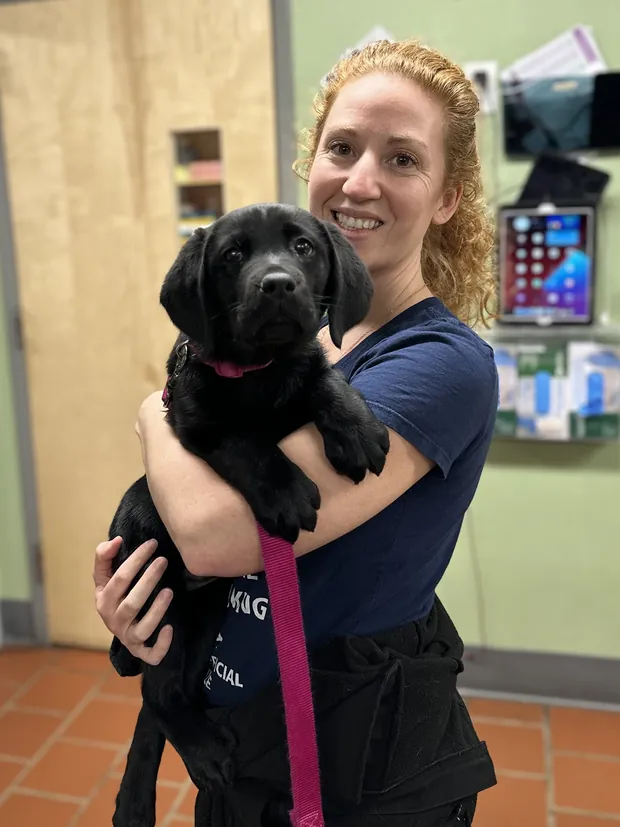
A team member holding a black Labrador puppy

Diagnostics

Digital radiology, ultrasound and an in-house lab

Digital radiology

Radiographs, or X-rays, are one of the most common and useful diagnostic tools in medicine. At Medford Animal Hospital and Wellness Clinic, we use X-rays to examine your pet's bones, lungs, heart, abdomen, oral cavity and other areas of their body to help diagnose and monitor medical and surgical conditions. If we suspect your pet has a fractured bone, has swallowed a foreign object or is suffering from a heart problem, an X-ray can tell us what we need to know so that we can effectively treat your pet.

To provide you with the highest-quality veterinary care for your pet, Medford Animal Hospital and Wellness Clinic has invested in a state-of-the-art digital X-ray machine. There are many important advantages to digital X-rays:

  • They are immediately able to be viewed on a computer monitor.
  • The clear, detailed images can be manipulated to get a better view of your pet's bones and internal organs, leading to a faster and more accurate diagnosis.
  • They take less time to process, which means less time for your pet on the X-ray table, and less waiting time for you.
  • No harsh chemicals are needed to develop the images, reducing potential harm to staff and the environment.
  • If a second opinion is necessary, digital X-rays can be sent directly to a specialist with the click of a button.

We also take digital dental radiographs (see Dental care).

In-house veterinary ultrasound

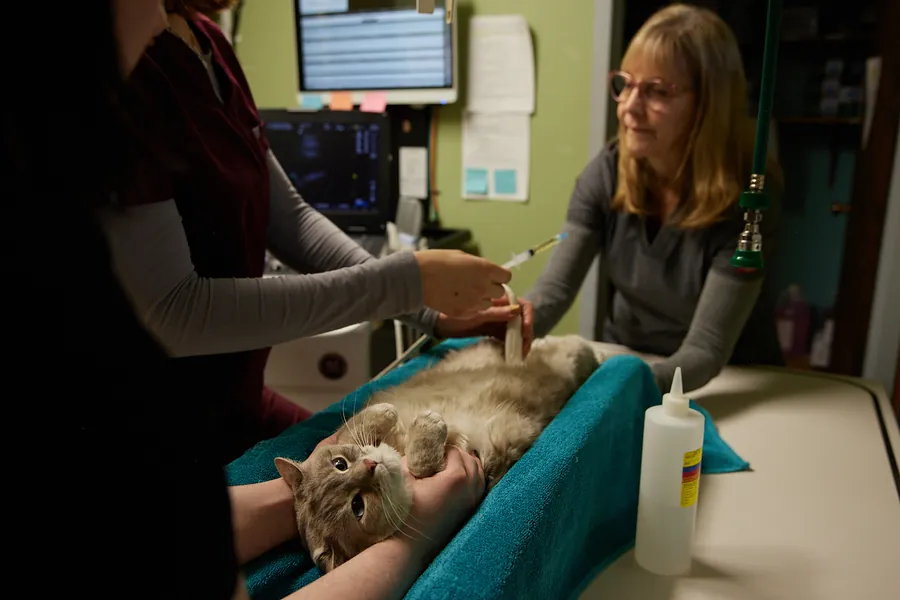
Our doctors use abdominal ultrasound to help diagnose and treat our patients. Ultrasound imaging helps us provide for safe sampling for certain diagnostic tests. It also helps us look inside using sound waves to screen for bladder stones, masses, fluid in the belly or around the heart or in the chest. These insights can help us to best advise you how to best take care of your pet.

Collaboration with experts in the field to provide full abdominal ultrasounds and echocardiograms helps us diagnose and manage your pet's illnesses or chronic diseases.

In-house veterinary laboratory

Because protecting your pet's health is important to us, we have a complete in-house diagnostic laboratory, including state-of-the-art chemistry and blood count machines. This laboratory allows us to perform a wide range of tests on blood, urine, feces and biopsied tissue. Without timely access to these test results, it would be difficult to make an accurate diagnosis or assessment of your pet's health. Test results can also help us in the early detection of diseases and other conditions affecting your pet's health and well-being.

Laboratory testing provides information about your pet's overall systemic health without the need for invasive and expensive procedures. Thanks to an in-house diagnostic laboratory, we are able to deliver your pet's test results quickly, often within a few minutes, while minimizing the time you need to wait for an accurate diagnosis and treatment plan.

Team members performing an ultrasound on a cat

Surgery

Veterinary surgery at Medford Animal Hospital

We fully understand that the decision to allow your pet to undergo surgery is never an easy one. To that end, we are happy to answer any questions you may have regarding your pet's specific surgery. In fact, a pre-surgical consultation is an essential part of the process. Additionally, the medical staff will provide you with the needed information on postoperative care to ensure the rapid return to your pet's happy, healthy self. For estimates, fasting, drop-off and recovery, see surgery information in our FAQ.

Surgical facilities

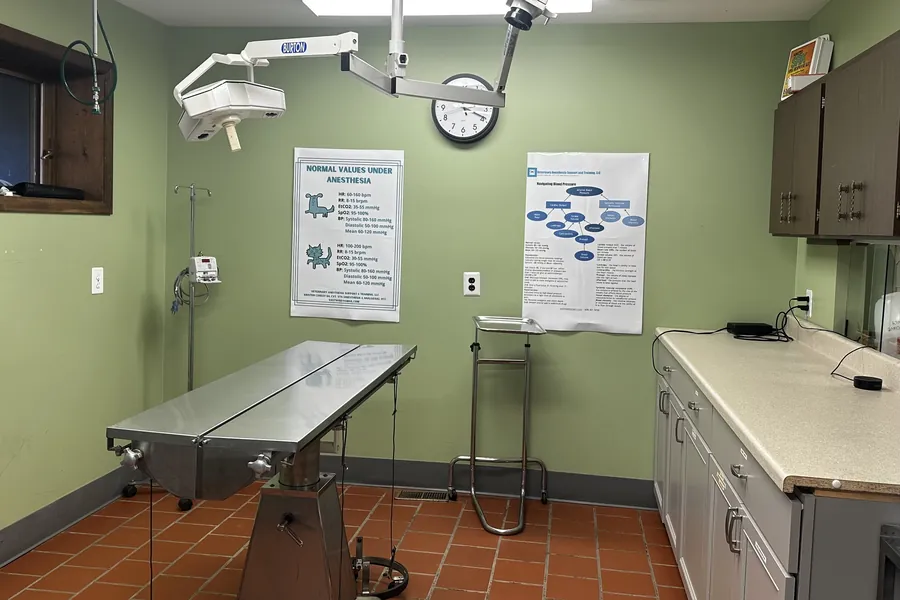
Medford Animal Hospital and Wellness Clinic's state-of-the-art surgical facility ensures procedures are both as safe and efficient as possible. Veterinary technology is advancing at a rapid pace. These advancements, combined with the staff's expertise, greatly reduce the risk for complications and allow us to perform surgical procedures quickly and accurately.

Before your pet's surgery

Before your pet undergoes any surgical procedure, a thorough examination takes place. This exam includes a pre-surgical blood screen that, along with your pet's anesthetic history, breed, preexisting conditions and age, will be used to determine a unique anesthesia protocol. These tests have the added benefit of establishing a baseline for the comparison of future blood tests, should your pet require any. No food or water after midnight before surgery; if your pet eats or drinks after that, call the hospital for advice. Complete and sign the digital consent forms that are sent to you prior to drop-off.

Safe anesthesia

For most surgical procedures, anesthesia is required. While under anesthesia, your pet is continuously monitored by both the staff and specialized anesthesia monitoring technology. Your pet's blood pressure, heart rate, respiratory rate, body temperature and oxygen level are all tracked during surgery.

The best pain management for your pet

Just as with humans, pain has many negative effects on pets that go beyond physical discomfort. Pain after surgery can slow healing and worsen diseases like arthritis. And, because our companion friends don't understand why they are experiencing pain, it can cause behavioral issues and interfere with the bond between you and your pet. To minimize your pet's discomfort, we focus on proactive pain control using narcotic pain relievers and NSAIDs, either injectable or oral. The exact protocol is tailored to each animal, and depends on a number of factors that are determined by the pre-surgery exam and during the procedure.

Caring for your pet after surgery

The amount of time your pet will need to be monitored after surgery varies. When your pet is discharged, the hospital staff will provide you with information on proper home care after surgery. Often, your pet will be prescribed medication; in this case, we will explain how and when to administer it as well as be a phone call away if you need more assistance after your pet arrives home. Call us at (609) 654-6855 with any questions or concerns you may have following your pet's surgery.

The hospital's surgical suite

Dental care

The best pet dental care in the Medford area

Pets have dental diseases and problems just like humans do. Regular dental check-ups at Medford Animal Hospital and Wellness Clinic, combined with good dental hygiene at home, can increase your pet's health, vitality and well-being.

If left untreated, dental disease can not only be painful and inhibit proper nutrition, but it can also lead to serious systemic issues that may threaten your pet's overall health before symptoms are noticeable. For those reasons, the veterinary team strongly considers dental care as an important piece of your dog's or cat's preventive health care program. Your pet's dental appointment includes:

  • Comprehensive oral health exams and treatment plans
  • Diagnosis and treatment of periodontal disease
  • Digital dental X-rays
  • Supra and subgingival scaling
  • Surgical extractions with mucoperiosteal flaps
  • Polishing
  • Basic oral surgery

Should we find any issues, such as evidence of gum or tooth erosion, gingivitis or excessive plaque buildup, we will discuss them with you and offer treatment options for your pet. We are experienced dental practitioners, and are capable of offering a number of dental procedures and oral surgeries at an affordable cost.

In between cleanings: dental care at home

You can prevent serious dental problems by making sure your pet receives dental exams at the time of each vaccination, again at 6 months of age, then annually after age 1. In between visits, check your pet's teeth regularly for signs of problems. Brushing your pet's teeth is the single most important procedure you can do to maintain excellent oral health. If performed regularly, brushing dramatically decreases the incidence of gingivitis and can increase the interval between teeth cleaning appointments. If you are unsure of how to brush your pet's teeth, please ask a staff member for instructions.

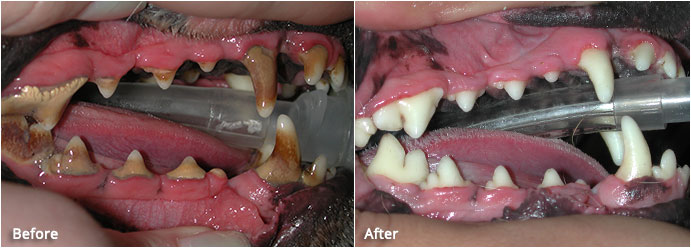
A pet's teeth before and after a dental cleaning

Signs of pet dental problems

  • Bad breath, one of the first signs of dental disease
  • A yellowish-brown crust of plaque on the teeth near the gum line
  • Red and swollen gums
  • Pain or bleeding when your pet eats or when the mouth or gums are touched
  • Decreased appetite or difficulty eating
  • Loose or missing teeth

If your pet is experiencing any of the above symptoms or for more information on the hospital's pet dental services, please call us today at (609) 654-6855. Read more in our blog post on periodontal disease.

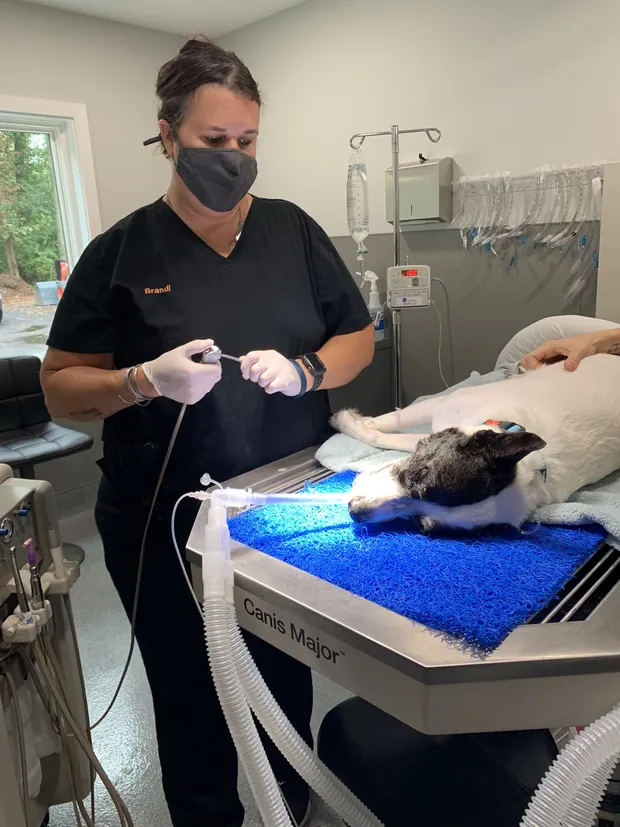
A technician working with a dog on the dental table

Emergencies

What to do in an emergency

Medical emergencies for a beloved pet can, and often do, happen outside of normal business hours. During our hours, call us right away at (609) 654-6855. For emergencies that occur outside of regular hospital hours, we refer clients to the following emergency facilities. Call ahead: their hours and availability can change.

NorthStar VETSA 24-hour emergency veterinary hospital(609) 259-8300315 Robbinsville-Allentown Road, Robbinsville, NJ 086912834 Route 73N, Maple Shade, NJ 08052
Red Bank Veterinary Hospital, Mount LaurelA 24-hour emergency veterinary hospital(856) 429-43942051 Briggs Road, Mount Laurel, NJ 08054
Penn Vet's Emergency Service and Intensive Care Unit, Ryan HospitalA 24-hour emergency veterinary hospital(215) 746-83873900 Spruce Street, Philadelphia, PA 19104

When to seek emergency care for your dog or cat

The easiest answer as to whether you should seek emergency care for your pet is when you feel his or her medical condition is serious and cannot wait. However, the following general situations should help you determine if you need to seek emergency care for your pet:

  • Difficulty breathing
  • Acute abdominal swelling
  • Electric shock
  • Excessive vomiting or diarrhea
  • Bleeding
  • Exhibits symptoms of heat stroke
  • Seizures
  • Sudden onset of weakness
  • High or low temperature (more than 104 or less than 100 degrees)
  • Unable to urinate or defecate

Wait-Worry-Panic: Symptom Checker (PDF)

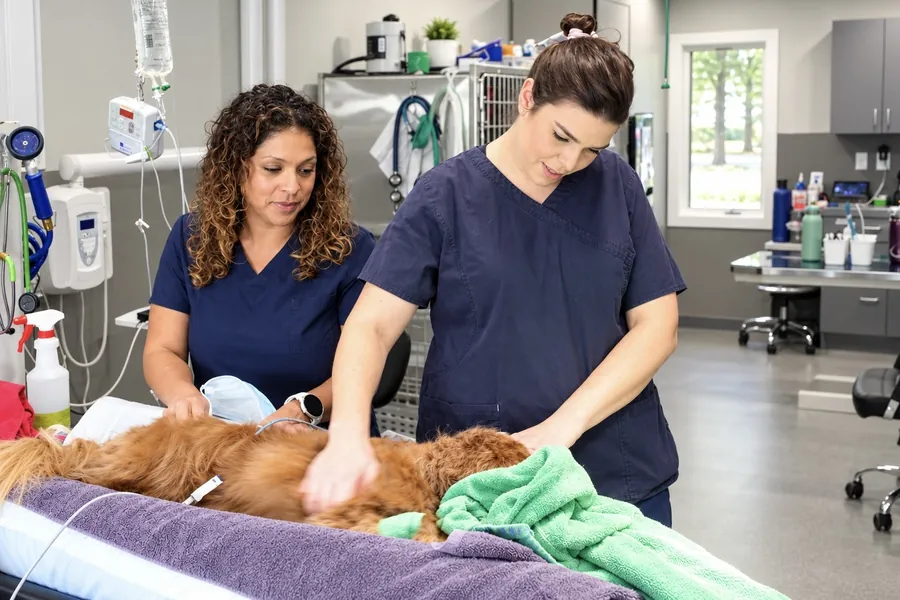
Two team members caring for a dog on a treatment table

Pet owner services

Microchips, travel, pharmacy and end-of-life planning

Lost pets find their way home with microchips

Losing a pet is a frightening and stressful situation faced by families and pets across the country. Studies have shown more than 10 million pets get lost each year and approximately 90 percent of those found would not have been returned to their owners without some form of permanent lost pet identification.

This is why the team at Medford Animal Hospital and Wellness Clinic considers microchip pet identification a fundamental way to protect your pet, as well as an important part of responsible pet ownership. We use the Datamars microchip system. Each microchip registers the animal with a unique identification number, which is filed in a database with your contact information. Registration is free, and your contact information can be updated anytime. If your pet is lost, the microchip can be scanned by animal control officers, at shelters and at veterinary hospitals throughout the U.S. and in many foreign countries as well. This safe, reliable and permanent pet identification takes less than 10 seconds to implant and can save you and your pet days, weeks, or more of fear and anguish.

International health certificates

If you and your pet are traveling internationally, you're likely going to need an International Health Certificate. To know what is required, Medford Animal Hospital and Wellness Clinic recommends contacting the destination country's consulate or embassy.

International Health Certificates are issued only by USDA-accredited veterinarians and must be endorsed by the state's USDA Veterinary Services office. The state veterinary services office oversees all export documents for pets departing from the U.S., ensures that the veterinarian issuing the document is accredited and that the forms have accurate information. For additional questions concerning travel requirements, please visit the U.S. Department of Agriculture's pet travel website for a complete list of travel regulations and alerts.

Your best source for veterinary prescriptions

As the prescribing veterinarian for your pet's medications, we are able to ensure there is a direct link between the exam room and the pharmacy. This means your pet will receive the right medication, at the right dose, as quickly as possible. We will also be able to easily guide you on the medication's use as well as monitor its effectiveness. You can feel confident all the medications we dispense were obtained from safe, reliable sources and stored under the correct conditions.

We maintain a complete inventory of pharmaceuticals, vitamins, shampoos, flea and tick control products and heartworm preventives to meet the needs of your pet. We also carry a full line of prescription diets, including Hill's Science Diet, Royal Canin, and Purina. If your pet requires a prescription diet we do not carry, we can easily order it for you. Because we are committed to providing you with affordable care, we regularly strive to ensure that you have convenient and timely access to competitively priced medications.

Need a refill? Request a prescription refill, or order medications and diets for home delivery from our online pharmacy (Vetsource).

End-of-life planning for your pet

For pet owners, even thinking about their pet's final days is often difficult and emotional. Pets play a significant role in our families. It is this strong bond born from years of loyal companionship that makes this time particularly hard to bear.

We encourage you to talk with the veterinary healthcare team about these issues before they arise. Learn more about your options, including crematory services, make some key decisions ahead of time, and ask us to add this information to your pet's record. Taking the time to plan, as challenging as it may be, will lessen the pain and stress for you and your pet. All of us at Medford Animal Hospital and Wellness Clinic will help you prepare for these important issues with the compassion and sensitivity they require.

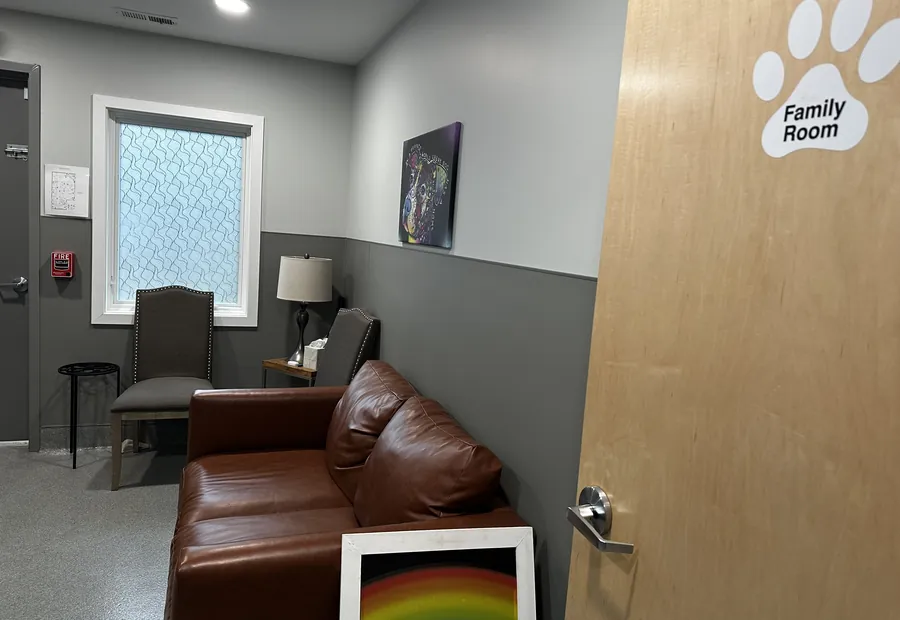
Family room. While we hope none of our wonderful furry clients and their parents need to use it, we have a family room. It is a calm, secluded space, away from busy exam rooms for those difficult times. Clients can have all the time they need while having access to the best staff in the area right outside the door. The room is also used as a consultation room when more time is needed or a calmer area is needed for certain pets.

The hospital's family room

Let’s take good care of them, together.

Call, text or email the front desk to make an appointment, or ask a quick question any time.